Comox Advocate Brings Dignity to Girls Worldwide
Breaking Barriers with Needle and Thread:
How Days for Girls Canada is Changing Lives One Kit at a Time
When Lois North took the ferry from Comox to Sechelt to speak at the Rotary Club of the Sunshine Coast, she carried more than a presentation—she carried stories of quiet, profound change. North, the team leader for Days for Girls Comox and a board director for Days for Girls Canada, is part of a global movement working to ensure that menstruation never limits a girl’s potential.
The Global Challenge
Around the world, an estimated 500 million menstruators lack access to proper supplies. For many, that means missing school, staying home from work, or even being banished to unsafe huts during their cycle. In India, women are barred from temples; in Nepal, “chaupadi huts” are still used despite being outlawed. In some communities, myths persist that menstruating women spoil food or ruin crops. The result: lost education, lost income, and reinforced stigma.
A Grassroots Solution
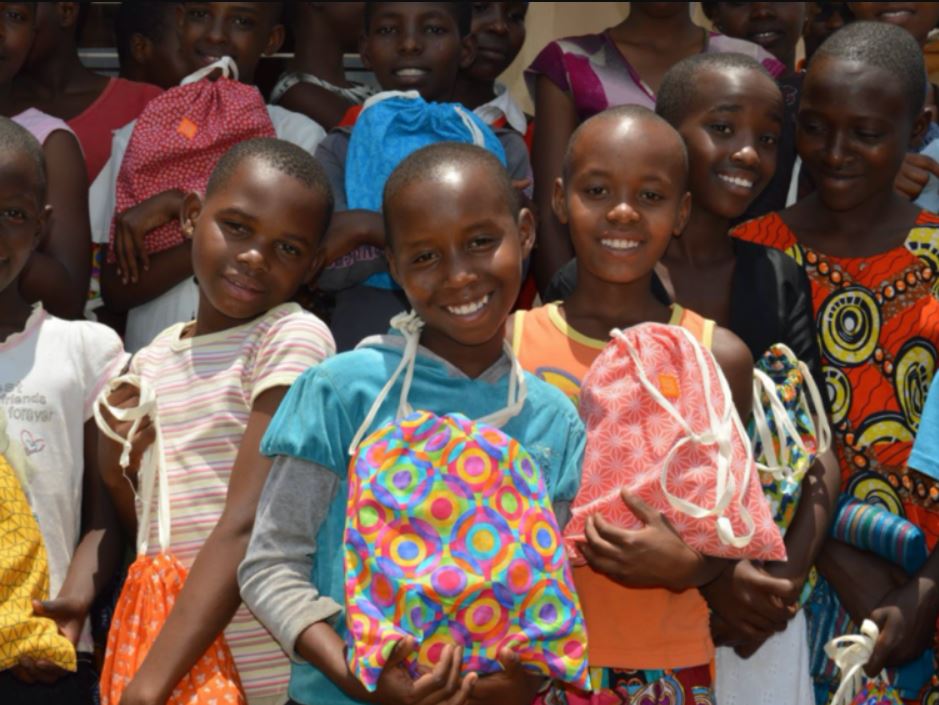
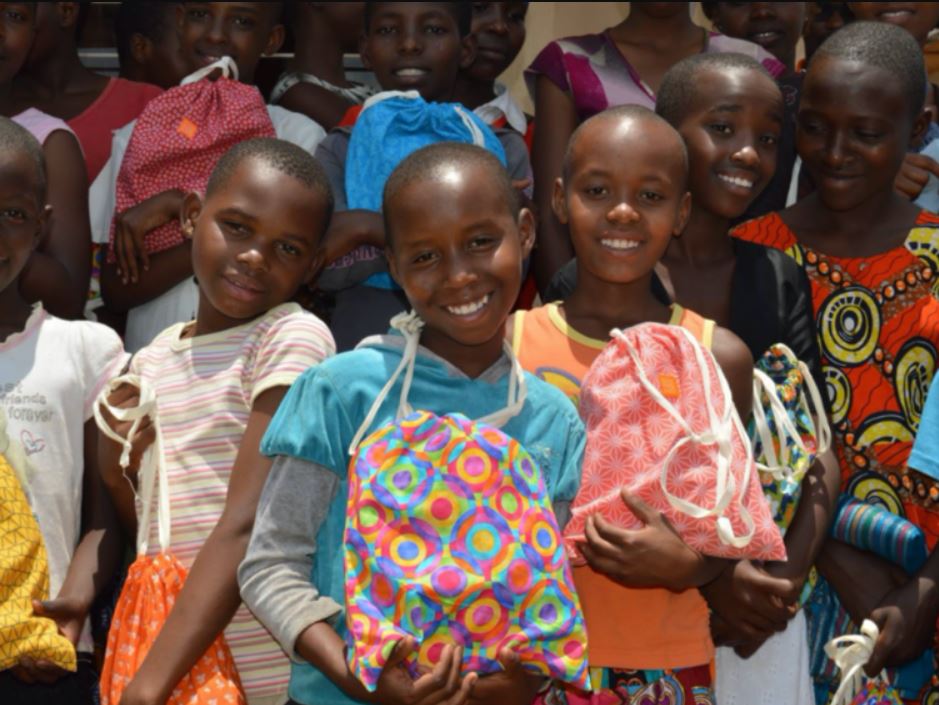
Founded in 2008, Days for Girls has grown to 487 teams worldwide, including 54 in Canada. These volunteer groups sew washable pads and assemble “gold standard” menstrual kits that last years. Each kit is a carefully crafted package—shields, liners, underwear, soap, washcloth, and waterproof pouch—designed to be affordable, discreet, and durable.
North’s 12-person Comox team produces about 400 kits annually, with nearly 2,000 kits completed to date. This fall, 240 of their kits will travel to India, while others have already reached Lebanon, Haiti, Afghanistan, and Somalia. In every case, kits are delivered through trusted local partners and paired with education sessions on hygiene, cycle literacy, personal safety, and human trafficking awareness.
Enterprises and Advocacy
But Days for Girls isn’t just about sewing. In-country social enterprises are being built to employ local women, who sew kits, earn income, and advocate for systemic change. In Kenya, these enterprises helped push government policy to supply menstrual products in schools. In Honduras, Rotary clubs partnered with Days for Girls to bring kits alongside water and school projects.
Education often sparks powerful reactions. One Honduran woman trainer, after delivering a workshop, demanded to know: “Why are we only learning this now?” The hunger for knowledge is as important as the supplies themselves.
How the Community Can Help
Support for Days for Girls can take many forms:
Donate: Each $20 gift sponsors a kit that lasts for years.
Volunteer: Join or start a sewing team to cut, stitch, and assemble.
Sponsor a distribution: Fund a shipment to a school or region in need.
Raise awareness: Host a fundraiser, share the story, or invite a presentation.
Volunteers self-fund their travel, so community donations go directly to materials and education.
Rotary’s Thanks
Rotary members expressed heartfelt gratitude to Lois North for her relentless service. Her work exemplifies Rotary’s motto—Service Above Self—by providing not only practical supplies but also dignity, safety, and opportunity for girls who might otherwise be silenced by stigma.
A Call to Action
In a world where a bar of soap and a washable pad can mean the difference between a girl staying in school or dropping out, Days for Girls proves that small, consistent efforts add up to global change.
If you’d like to be part of that change, find a Days for Girls team near you or consider joining Rotary to help amplify efforts like these—local people, working together, making a worldwide difference.